Pros and Cons of Double Wishbone Suspension:
Pros
High lateral rigidity, excellent anti-roll performance, good grip, and clear road feel.
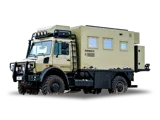
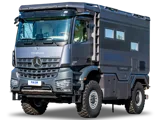
Firstly, precise control over alignment parameters allows the wheels to maintain excellent contact with the ground. Strong lateral rigidity provides excellent lateral support, and the superiority of this structure is evident. It is not only the preferred choice for supercars like Maserati but also the suspension structure used in today's F1 race cars. The two triangular control arms also offer excellent torsional strength and lateral rigidity, which is why double wishbone suspension is frequently used in rugged SUVs and pickup trucks. Brands like Toyota and Volkswagen, for example, utilize double wishbone suspension for their front axles.
Cons
High manufacturing cost, complex suspension alignment parameter settings.
Compared to MacPherson Strut suspension, its structure is more complex, occupies more space, and is more expensive, thus it is not suitable for the front suspension of small cars. Furthermore, determining the alignment parameters requires precise calculation and tuning, which demands higher technical expertise from manufacturers.