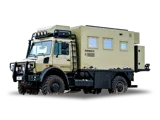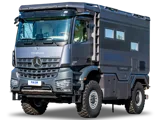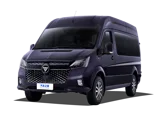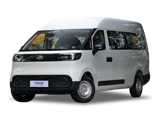
Non-independent suspension systems are characterized by wheels connected by a rigid axle, suspended beneath the chassis or body, offering advantages such as simplicity, low cost, high strength, easy maintenance, and minimal changes in wheel alignment during driving. However, due to their relatively poor comfort and handling stability, they are typically used only in cost-sensitive passenger car models, and more commonly found in trucks and buses:
Advantages of Non-Independent Suspension Systems:
●Left and right wheels are interconnected during vertical movement, resulting in minimal changes in tire angle and less tire wear.
●Wheel angles are less prone to change when vehicle height is lowered, maintaining consistent handling.
●Simple structure, low manufacturing cost, and easy maintenance.
●Occupies less space, allowing for a lower floor height.
Disadvantages of Non-Independent Suspension Systems:
●Interconnected left and right wheels during vertical movement can affect ride comfort and handling stability.
●Due to its simple structure and limited design flexibility, handling stability is poorer.